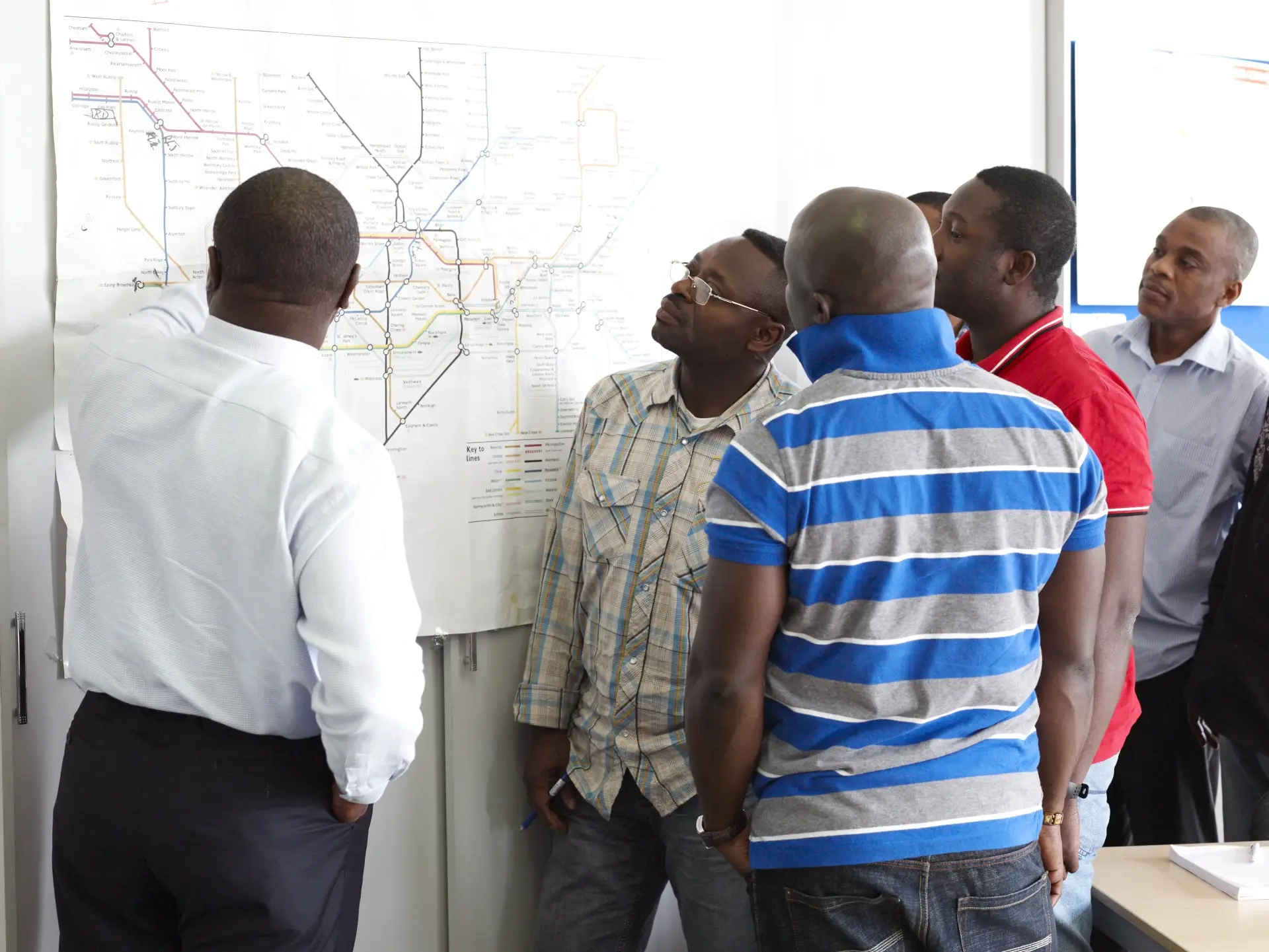
We are constantly learning from what we do and, by instilling a collaborative and inclusive health and safety culture across our workforce, we share knowledge, enhance competency and ensure continual improvement.
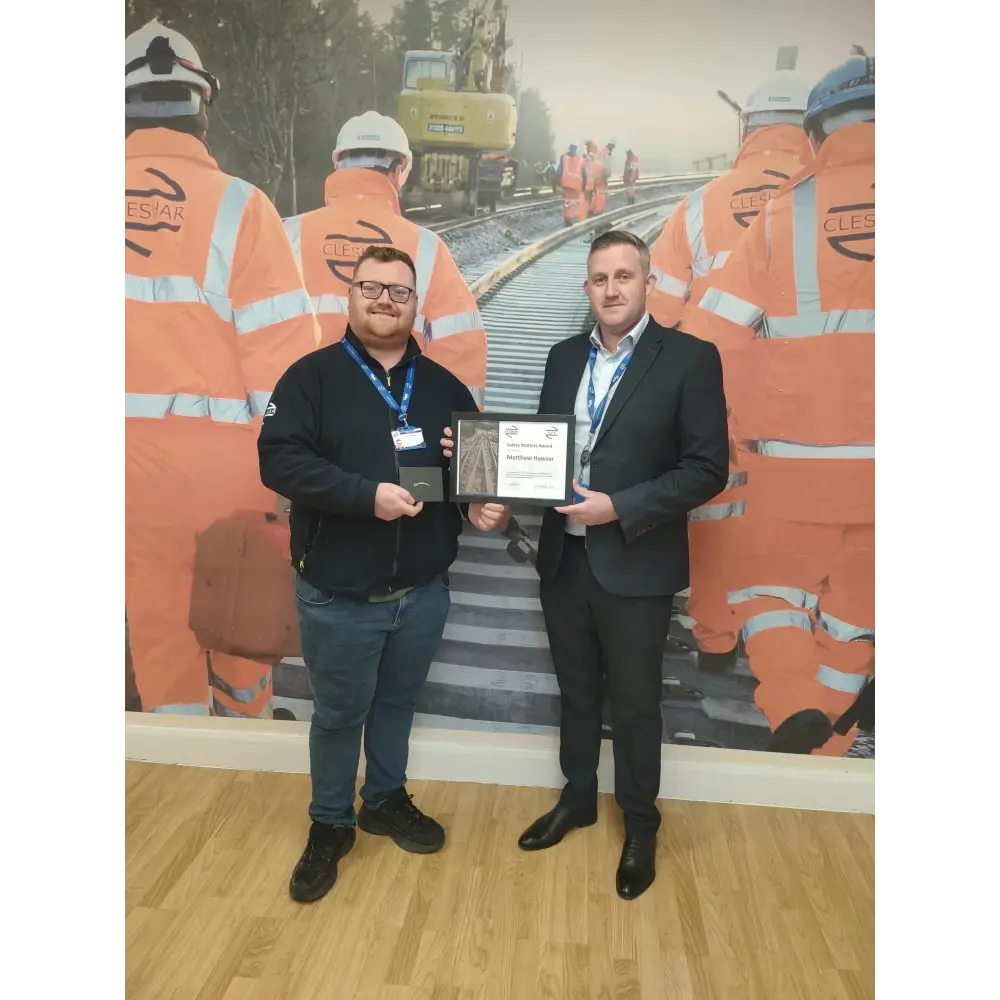
We also recognise that individuals have different communication preferences, and we use various channels to encourage interaction and feedback on health and safety, such as our 'Safety Matters' programme and Take 2 for Safety briefings, and regular safety forums, posters, newsletters and social networks.
We believe safety is not just about having to follow a set of rules and is more about how we think and work together safely and responsibly. Our 'Safety Matters' campaign features a monthly forum, which is led by key operational staff and supported by our HSQE team, and which provides the opportunity to share views on safety behaviours or incidents and to showcase innovation and best practice. Everyone's opinions, ideas and experiences are important and are actively sought and taken into consideration to shape future health and safety strategy. Elements of the campaign include:
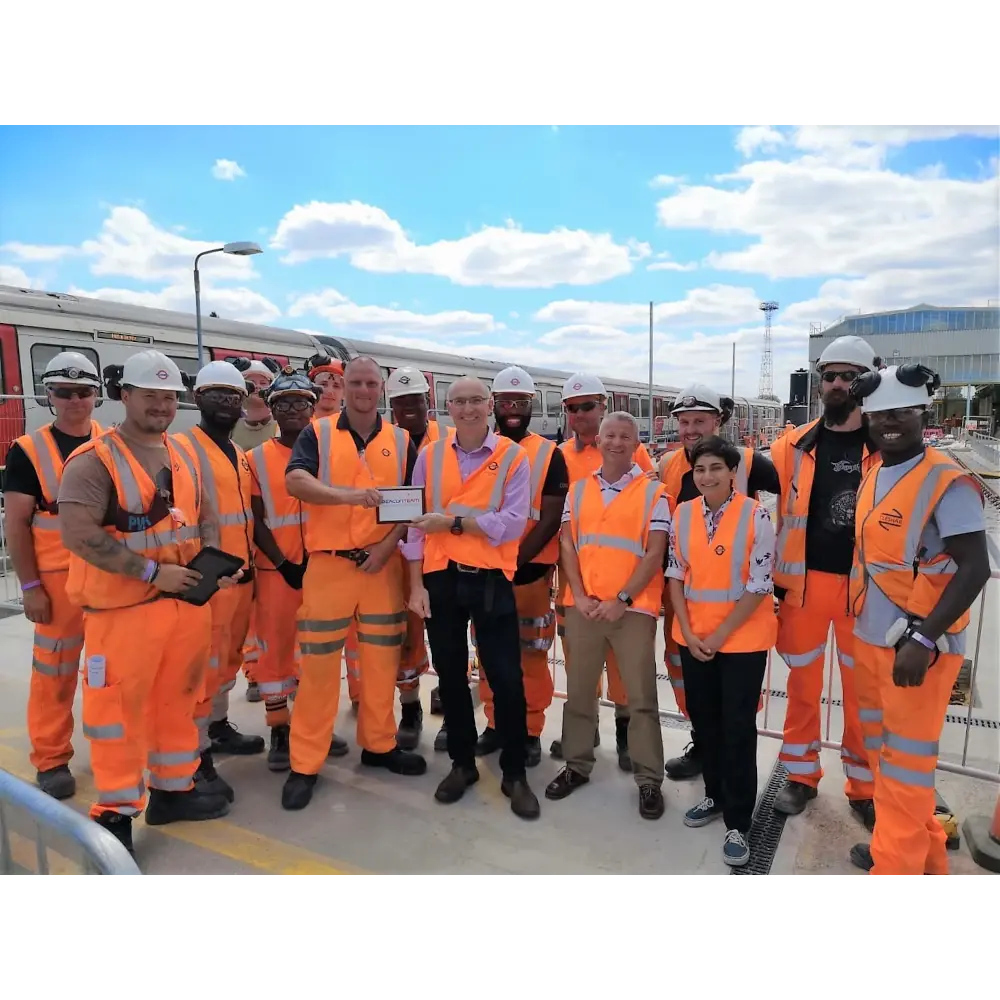
Recognised by our clients as an effective risk management tool, we have long applied the hierarchy of controls to our projects to determine the safest measures for controlling specific hazards and for protecting our workforce. The principles of the hierarchy are incorporated in all our management plans, inspections and reporting processes, and are communicated internally and, externally, through channels such as Transport for London's Zero Harm workshops.
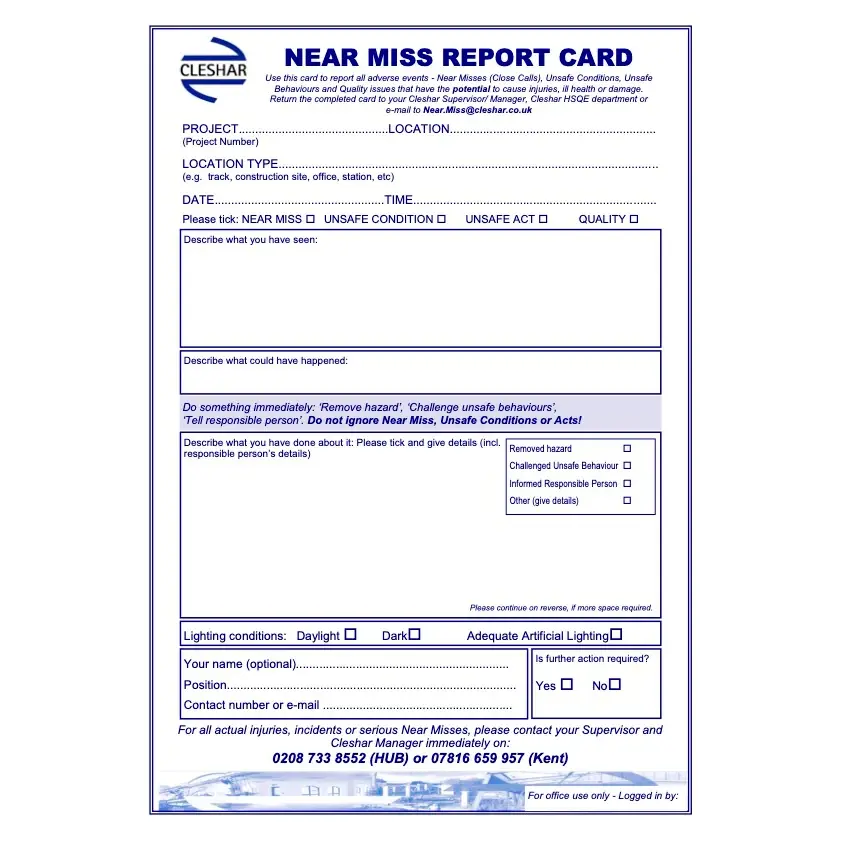
Near Miss reporting is integral to Cleshar's proactive approach to health and safety, at the heart of which is our assertion \u2013 SEE IT, SORT IT, REPORT IT. Every member of our staff, project teams and supply chain is encouraged to identify Near Misses and unsafe conditions and behaviours and, with the support and advice of our HSQE team, to take the appropriate action so that we improve safety for all.
We are committed to rewarding those who raise concerns, reinforcing our positive safety culture across the business.
Data collected from our Near Misses enables us to analyse trends and root causes and to identify any improvements or changes to procedure, equipment or training. Our Near Miss newsletter is shared with all staff.
We recognise our responsibility for ensuring the safety of our drivers by assessing both the risks they potentially pose and those they face when driving.
We apply the highest safety standards to all our work activities on the road. Our Driving Policy requires that all drivers undergo strict assessment, including licence and driving history checks and in-house eye tests. No one under the age of 21 is authorised to drive Cleshar vehicles and all eligible drivers must complete mandatory Fleet Operator Recognition Scheme (FORS) training modules.
Every driver is issued with Cleshar's driver's handbook and receives a one\u2013to\u2013one briefing from our Fleet Operations Manager. We use telematics to provide safety and security, to improve driver behaviour, including reducing idling times, and to save fuel costs and emissions.
All vehicles from our 350-strong fleet are regularly checked for road worthiness.
Fatigue management forms part of our overall approach to the health, safety and wellbeing of our workforce.
Our Fatigue Management Policy reflects the requirements of the Working Time Regulations, the Railways and Other Guided Transport Systems (Safety) Regulations and guidance provided by the Office of Rail and Road. We also comply with London Underground's QUENSH conditions and Network Rail's standard, Fatigue Risk Management.
The parameters on working hours are built into our rostering software, developed to ensure that our resource planners allocate their teams in such a way that any risk of exceedance in working hours is eliminated; this includes travel to and from site. Contravention of the Working Time Regulations is identified immediately and the facility to allocate resource is disabled.
Educating our workforce to recognise the potential safety risks resulting from fatigue is also key. This includes understanding the varying levels of fatigue and stress associated with different types of work and recognising the symptoms of their own fatigue and the fatigue of those around them; given the current environment, particular attention is given to possible fatigue from pre- and post-COVID-19 infection.